

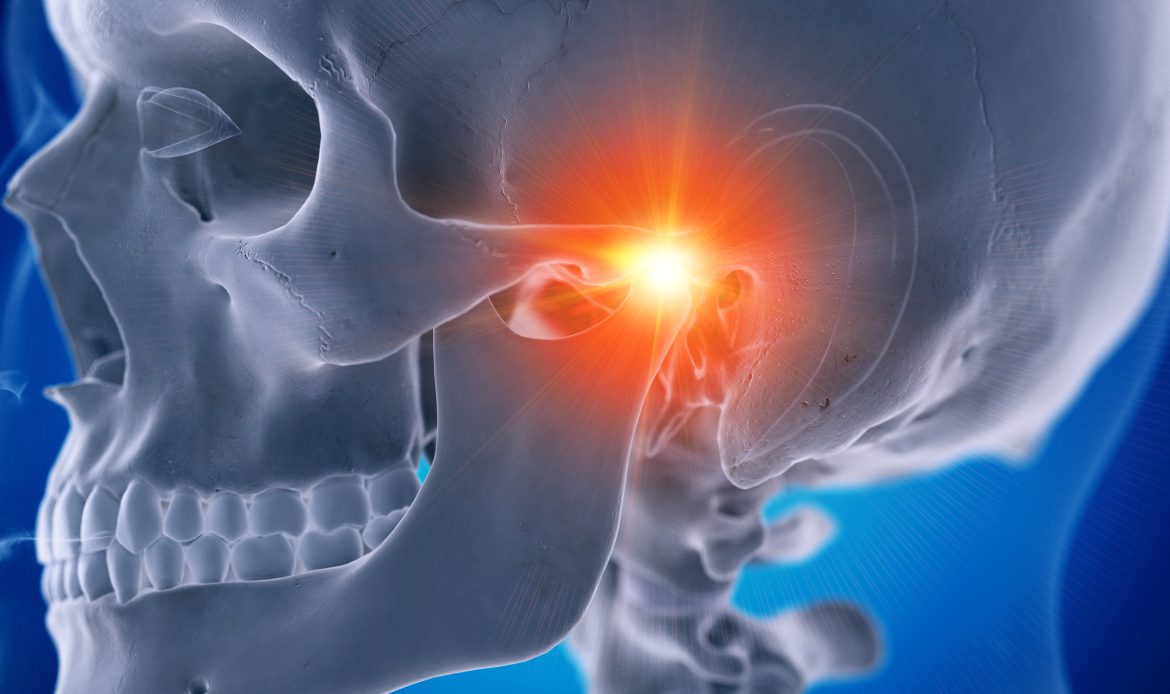

- TMJ disorder affects the jaw joint connecting the lower jaw to the skull, causing pain, stiffness, and functional loss.
- Common symptoms include jaw pain, clicking sounds, headaches, and difficulty chewing.
- Major causes include teeth grinding, jaw trauma, arthritis, stress, and poor posture.
- Treatments range from painkillers and night guards to physical therapy and, in rare cases, surgery.
- Cold compresses, jaw exercises, and stress management can help relieve TMJ pain at home.
TMJ (Temporomandibular Joint Disorder), also known as TMD, is a condition that causes pain and loss of function in the jaw joint. It often manifests with symptoms such as jaw pain, headaches, and difficulty chewing. The causes of this condition include teeth grinding, blows to the jaw, stress, and poor posture. If the case is mild, at-home treatments may be sufficient, but in more severe cases, it is necessary to consult a specialist.
目录
ToggleWhat is TMJ (Temporomandibular Joint Disorder)?
颞下颌关节紊乱病(TMJ障碍)是一种影响下颌骨与颅骨之间关节的颌部疾病,会导致疼痛和功能丧失。该关节在说话、咀嚼和吞咽功能中发挥着至关重要的作用。当其出现紊乱时,这些功能可能受到限制,并可出现颌部疼痛。这种疾病在女性中也更为常见,若不及时治疗可能转为慢性。
Symptoms of TMJ (Temporomandibular Joint Disorder)
TMJ syndrome can manifest with various symptoms, such as limited jaw movement, headaches, and sounds from the jaw. However, it should be noted that symptoms can vary from person to person. These symptoms can worsen over time and reduce an individual’s quality of life.
Symptoms generally include:
Jaw pain
Clicking or popping sounds from the jaw joint
咀嚼困难
Locking or sticking of the jaw
Facial pain or tenderness
Headaches
Teeth grinding (bruxism)
Neck and shoulder pain
| 类别 | 核心要点 |
|---|---|
| 主要症状 | Jaw pain, clicking sounds, difficulty chewing, headaches, ear pain, jaw locking |
| 常见原因 | Teeth grinding, jaw trauma, stress, poor posture, arthritis, disc displacement |
| Conservative Treatments | NSAIDs, muscle relaxants, night guards, physical therapy, stress management |
| Advanced Treatments | Corticosteroid/Botox injections, surgery (rare cases), orthodontic correction |
Relieve Jaw Pain, Restore Comfort
What Causes TMJ (Temporomandibular Joint Disorder)?
This condition can arise from many factors, such as jaw trauma, teeth grinding, stress, and anatomical problems. The correct identification of the causes is crucial for the success of the treatment to be applied.
Some of the causes are:
Teeth grinding or clenching: Grinding or clenching teeth due to stress, anxiety, or sleep disorders can place excessive load on the jaw joint and muscles.
Trauma: Blows to the jaw, face, or head from accidents or sports injuries can cause this condition.
Malocclusion (Bad bite): An improper alignment of the upper and lower teeth can lead to an unbalanced load on the jaw joint, causing problems.
Joint inflammation (Arthritis): Joint conditions such as rheumatoid arthritis or osteoarthritis can affect the TMJ.
Stress and anxiety: Intense stress can lead to tension in the jaw muscles, triggering or worsening TMJ symptoms.
Poor posture: Incorrect postures, such as sitting at a computer for long periods, can cause tension in the neck and jaw muscles.
Displacement of the jaw joint disc: The displacement of the cartilage disc located in the jaw joint can lead to this condition.
缺失牙:缺失牙或不合适的义齿可能破坏颌部的咬合。
How to Treat TMJ (Temporomandibular Joint Disorder)?
轻度病例可通过休息、锻炼和压力管理等居家方法缓解。然而,若病情转为慢性且严重,则可能需要使用口腔矫治器、物理治疗,在极少数情况下还需要手术干预。
The treatment approaches used are:
Pain relievers and anti-inflammatory drugs: Non-steroidal anti-inflammatory drugs (NSAIDs) like ibuprofen can help reduce pain and inflammation.
Muscle relaxants: Can be used to reduce tension in the jaw muscles.
咬合板或夜磨牙垫:可使用定制透明护牙套来防止磨牙或咬牙习惯,并减轻颌关节的负担。
Physical therapy: Exercises can be performed to strengthen the jaw muscles, increase flexibility, and teach correct jaw movements.
Stress management: Relaxation techniques, yoga or meditation can be used to reduce the effect of stress on the jaw muscles.
Injections: In cases of severe pain, corticosteroid or Botox injections can be administered into the joint.
Surgical intervention: Very rarely, when other treatment methods are unsuccessful, surgical options (arthroscopy or open surgery) may be considered.
Find the Right TMJ Solution for You
What Helps with TMJ (Temporomandibular Joint Disorder) Pain?
To reduce pain associated with the jaw joint, cold compresses, relaxation exercises, and the use of a night guard can be helpful. Care should be taken not to strain the jaw joint. However, if the pain becomes constant, it is beneficial to consult a specialist.
Things that help with jaw joint pain include:
Applying cold or hot compresses
Gentle jaw exercises and massage
Eating soft foods
使用夜磨牙垫(咬合板)预防磨牙
Stress-reducing breathing and meditation techniques
Painkillers and muscle relaxant medications
FAQ About TMJ (Temporomandibular Joint Disorder)
What is TMJ syndrome?
This syndrome is a condition characterized by pain, dysfunction, and discomfort in the temporomandibular joint (TMJ) and its surrounding muscles. It is caused by problems in the jaw joint and chewing muscles.
Does TMJ cause headaches?
Yes, TMJ disorders can cause headaches. Tension-type headaches in the temples, forehead, and behind the eyes are frequently observed.
What does TMJ stand for?
TMJ stands for “Temporomandibular Joint,” which means “the joint between the temporal bone and the mandible (lower jaw).”
How is a TMJ massage done?
A gentle, circular massage can be performed on the jaw joint with the fingertips. Avoid hard pressure. It is safer to do it with the advice of a physical therapist.
Which doctor should I see for TMJ?
You should generally consult a dentist first. Dentists can assess the relationship between the jaw joint and the bite. If necessary, a referral may be made to specialists such as a maxillofacial surgeon, physical therapist, or rheumatologist.
What happens if the jaw joint is not treated?
If left untreated, the pain can become chronic, jaw movements can become restricted, and permanent damage to jaw functions can occur.
Can temporomandibular joint disorder be prevented?
Yes, stress management, controlling teeth grinding, and avoiding movements that strain the jaw joint can prevent the development of the disorder.
What should I be careful about with temporomandibular joint disorder?
It is necessary to avoid hard foods, not strain the jaw, develop proper posture habits, and regularly use the appliances recommended by the dentist.
 English
  Français
  Русский
  العربية
  简体中文
简体中文  Español