

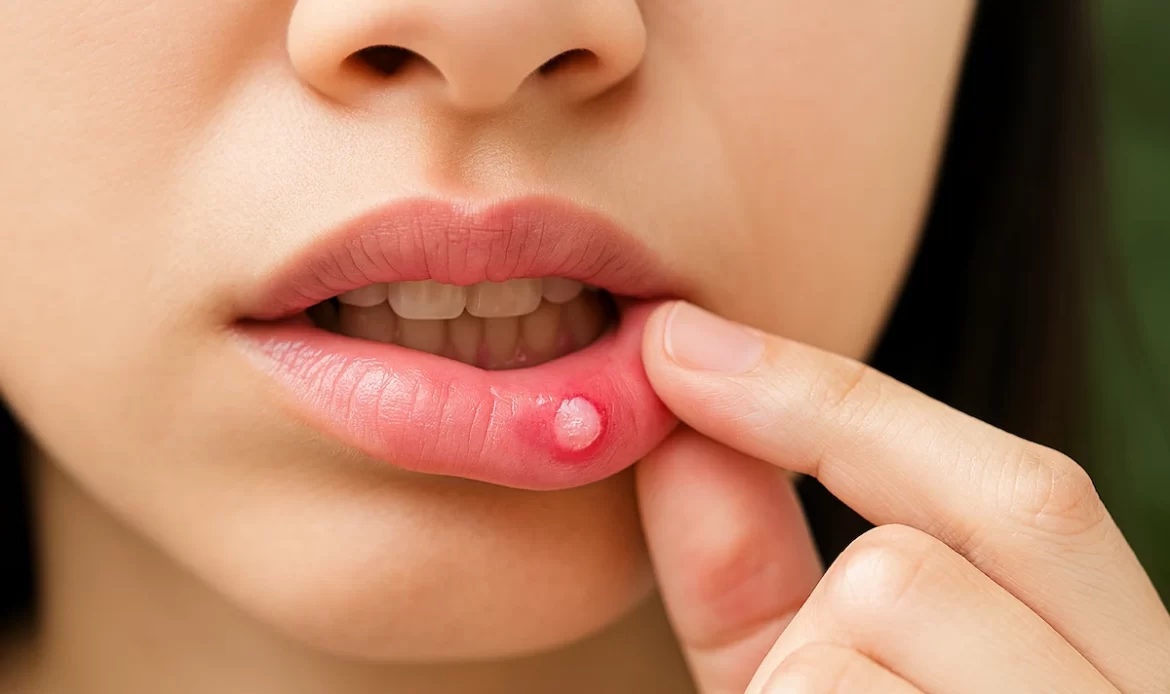
- Canker sores are small, painful ulcers inside the mouth that heal within 1–2 weeks.
- Common triggers include stress, trauma, vitamin deficiencies, and immune issues.
- Severe or recurring sores may signal conditions like Behçet’s or celiac disease.
- Treatment includes topical gels, antiseptic rinses, and corticosteroid creams.
- Prevention relies on oral hygiene, balanced nutrition, and stress management.

A canker sore is a painful lesion inside the mouth, typically small with a reddish border and a whitish-yellowish center. They are classified as minor or major depending on their size. Most are harmless and do not pose any risk. However, if accompanied by severe symptoms such as fever, intense pain, diarrhea, or swollen lymph nodes, immediate consultation with a specialist is recommended.
Table of Contents
ToggleWhat Is a Canker Sore?
Medically known as aphthous ulcers, these are white-gray, painful but benign lesions occurring on the oral mucosa. They can range from 3 to 10 mm in size and may appear singly or multiply. Usually, they are harmless and heal within 1-2 weeks without treatment. However, in some cases—especially if very large and painful—professional treatment may be necessary.
What Causes Canker Sores?
Multiple factors contribute to their formation including stress, trauma, nutritional imbalances, hormonal changes, and immune system issues. Often, the exact cause is difficult to identify.
Some causes are:
- Viral/bacterial infections
- Vitamin deficiencies (B12, C, and iron)
- Stress
- Hormonal changes
- Incorrect tooth brushing
- Oral trauma
- Immune system disorders
- Food sensitivities
- Genetic predisposition
- Systemic diseases
- Toothpastes containing SLS (Sodium Lauryl Sulfate)
Symptoms of Canker Sores
Symptoms include sensitivity, redness, burning, and sometimes swollen lymph nodes. Fever may rarely occur.
Common symptoms are:
- Pain
- Redness
- White or yellowish sores
- Burning and tingling sensations
- Difficulty swallowing and speaking
- Rarely, lymph node enlargement
- Low-grade fever
Canker Sores in Infants
In infants, canker sores generally result from an immature immune system and trauma caused by objects placed in the mouth. Symptoms include irritability, loss of appetite, increased saliva production, and white lesions in the mouth. If a canker sore is present, visiting a pediatrician without delay is advised.
Canker Sores in Children
In children, causes are similar to adults. Particularly in school-age children, stress, dietary habits, and oral trauma may trigger canker sores. Pain may lead children to avoid eating or disrupt their sleep patterns. If canker sores recur frequently, consulting a specialist is recommended.
What Diseases Can Canker Sores Indicate?
Usually, canker sores are not a sign of systemic disease and are benign. However, frequent, numerous, or long-lasting sores may indicate certain diseases:
- Behçet’s Disease: A chronic inflammatory condition characterized by recurrent sores in the mouth, genital area, and eyes.
- Celiac Disease: Gluten intolerance causing vitamin absorption problems, which may lead to sores.
- Crohn’s Disease: A chronic inflammatory bowel disease that can cause canker sore-like lesions in the mouth.
- Reiter’s Syndrome: Can cause sores along with symptoms in eyes, joints, and urogenital system.
- HIV/AIDS: Immunosuppression leads to more frequent and severe sores.
- Some Blood Disorders: Conditions like anemia may affect sore formation.
When Do Canker Sores Heal?
Simple lesions usually heal within 7–15 days; recurrent sores within 2–4 weeks. Healing time varies by type and size. Persistent recurrence may require medical follow-up.
Types and healing times:
- Minor Canker Sores: Typically heal without scarring within 7–14 days.
- Major Canker Sores: Larger and deeper, may take 2–4 weeks to heal and sometimes leave scars.
- Herpetiform Canker Sores: Numerous small sores, generally heal within 7–10 days like minor ones.
How Are Canker Sores Treated?
Treatment often involves oral gels, mouthwashes, sometimes corticosteroids, and painkillers aimed at reducing pain and speeding healing. Diet and regular oral care support easier recovery.
Common treatments include:
- Painkillers (OTC)
- Topical creams and gels for pain relief and protection
- Corticosteroid mouthwashes or creams under medical supervision for severe sores
- Antiseptic mouthwashes to prevent bacterial infection and support oral hygiene
- Laser therapy in some cases to reduce pain and accelerate healing
How to Heal Canker Sores at Home?
Home remedies like saltwater, baking soda rinses, honey, and chamomile tea can ease canker sore discomfort. These natural, accessible methods reduce pain and promote healing.
Some home methods:
- Saltwater Gargle: Mix 1 teaspoon salt in a glass of warm water, gargle several times daily to reduce pain and improve hygiene.
- Baking Soda Water: Dissolve 1 teaspoon baking soda in half a glass of water for gargling; helps dry the sore and reduce pain.
- Ice Application: Applying ice directly to the sore temporarily numbs and eases pain.
- Honey: Has antiseptic and healing properties, can be applied to sores for relief.
- Yogurt Consumption: Probiotics regulate oral bacteria, aiding recovery.
- Avoid Irritating Foods: Stay away from spicy, acidic, salty, or very hot foods and drinks until healed.
- Use a Soft Toothbrush: To prevent oral trauma, choose a soft-bristled toothbrush.
- Use SLS-Free Toothpaste: Toothpaste without Sodium Lauryl Sulfate may reduce sore formation.
When to See a Doctor for Canker Sores?
If sores persist beyond 7–14 days, are painful, large, or bleed, consult an ENT specialist, dermatologist, or dental expert. Also seek immediate advice if sores recur frequently or lymph nodes swell.
Situations to see a doctor:
- Presence of unusually large or abnormal sores
- Sores lasting over two weeks without healing
- Severe pain
- Frequent outbreaks
- Accompanying fever, diarrhea, or skin rashes
- Eating or drinking becomes very painful
- Underlying systemic disease suspected
How to Prevent Canker Sores?
While not always preventable, balanced nutrition, regular oral care, and stress management can help reduce occurrence. The degree of attention to oral hygiene and vitamin supplementation greatly affects prevention.
Preventive measures include:
- Prioritizing oral hygiene
- Avoiding oral trauma
- Managing stress
- Eating a balanced diet
- Monitoring food allergies
- Using SLS-free toothpaste
- Regular dental check-ups
- Taking vitamin supplements if needed
Frequently Asked Questions About Canker Sores
What is a canker sore?
A general term for painful oral ulcers, often found on the inner cheeks, lips, or tongue causing burning and sensitivity.
What helps canker sores?
Saltwater and baking soda rinses, chamomile tea, honey, and aloe vera gels support healing. Painkillers help relieve symptoms.
My canker sore won’t heal; what should I do?
Frequent sores may indicate systemic issues; consulting an ENT or dentist is the best option.
Why do canker sores appear on the tongue?
Causes include biting the tongue, spicy or acidic foods, stress, vitamin deficiencies, or genetic predisposition. Tongue sores may hurt more due to constant movement.
How to heal tongue canker sores?
Saltwater gargles, pain-relief gels or creams can be used. Avoid irritants and maintain good oral hygiene for faster healing.
Are canker sores contagious?
No, they are not contagious through direct contact. However, if infected, microorganisms from mouth lesions can cause problems.
Which vitamin deficiencies cause canker sores?
Deficiencies in vitamin B12, folic acid, iron, and zinc may be involved. Lack of these disrupts mucosal integrity, making sores more likely.
Which doctor should I see for canker sores?
Initially, visit a dentist. If sores are severe, recurrent, or systemic disease is suspected, referral to ENT or dermatologist may be necessary.
Does mulberry help canker sores?
Yes, mulberry and especially mulberry juice have antiseptic and wound-healing properties that can aid sore healing and pain relief.
Do canker sores cause tooth pain?
No, they do not directly cause tooth pain. However, sores near or on the gums may cause pain when touching teeth during eating or brushing.
What should people with canker sores eat?
Soft, moist, and non-irritating foods like boiled vegetables, purees, yogurt, soups, milk, and bananas are recommended. Avoid very hot foods.
How long do canker sores last?
Minor canker sores usually heal within 7–14 days. Major sores may take 2–4 weeks.
 English
  Français
  Русский
  العربية
  简体中文
简体中文  Español