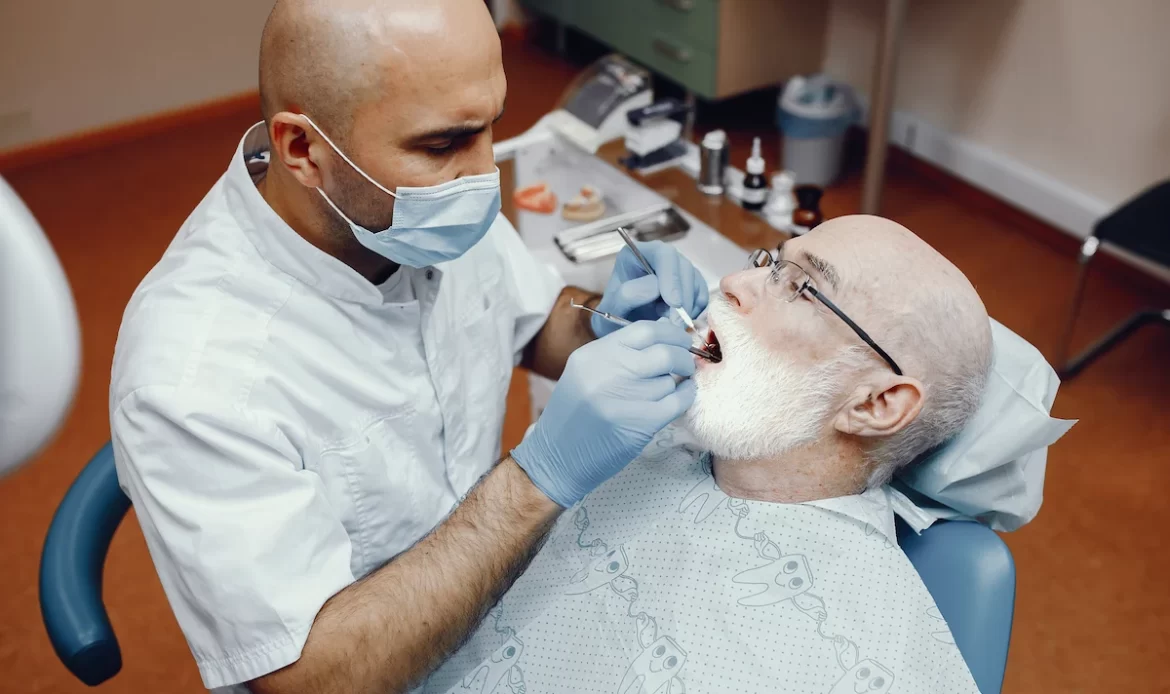
- Subperiosteal implants are custom metal frameworks placed on top of the jawbone but under the gums.
- Ideal for patients with severe bone loss or insufficient bone density for traditional implants.
- Surgery is less invasive and avoids bone grafting, making recovery faster.
- Custom 3D design ensures a precise fit and stable support for artificial teeth.
- Regular hygiene and follow-up visits are essential to prevent infection and ensure long-term success.
Subperiosteal implant is a type of dental implant placed on top of the jawbone but underneath the gum tissue. It is typically used for patients who do not have enough healthy jawbone to support traditional implants. This implant consists of a custom-made metal frame that fits securely over the jawbone. As the gums heal, the frame becomes fixed in place and supports the artificial teeth.
Table of Contents
ToggleWhat Is a Subperiosteal Implant?
A subperiosteal implant is a custom-made metal framework placed directly on top of the jawbone. Unlike traditional implants, it does not go inside the bone but sits beneath the gum tissue. It is designed to hold one or more artificial teeth securely in place. This type of implant is often recommended when bone height or density is insufficient for endosteal implants.

Definition and Basic Structure
A subperiosteal implant is a metal framework that rests on the surface of the jawbone, beneath the periosteum. The frame is typically made from biocompatible materials such as titanium or cobalt-chromium alloy. Support posts extend from the frame through the gum to hold the prosthetic teeth. These posts are strategically positioned to align with the planned dental restoration. The entire structure is custom-designed using CT scans or 3D imaging for a precise fit.
How It Differs From Endosteal Implants
Subperiosteal implants rest on top of the jawbone, while endosteal implants are placed inside the bone. Endosteal implants require sufficient bone density and height for stable placement. Subperiosteal implants are often chosen when bone grafting is not an option or not preferred. The surgical procedure for subperiosteal implants is typically less invasive and shorter in duration.
| Feature | Subperiosteal Implant | Endosteal Implant |
|---|---|---|
| Placement Location | Sits on top of the jawbone under the gum tissue | Inserted directly into the jawbone |
| Best For | Patients with severe bone loss or insufficient bone height | Patients with adequate bone density and volume |
| Surgical Requirements | Less invasive; no bone graft usually needed | May require bone grafting before placement |
| Support Mechanism | Custom metal frame with posts emerging through the gum | Titanium screw integrated into the bone |
Who Is a Good Candidate for Subperiosteal Implants?
Subperiosteal implants are ideal for patients who meet specific clinical and anatomical conditions:
- Low jawbone density
- Not suitable for bone grafting
- Severe bone loss from gum disease
- Need for a less invasive solution
- Good overall health
Missing Bone Doesn’t Mean Missing Teeth
Bone Loss and Jaw Conditions
Subperiosteal implants are often used when significant jawbone loss prevents traditional implant placement. This type of implant does not rely on bone depth or density for stability. It is placed on top of the jawbone, making it suitable for resorbed or irregular bone structures. Patients with chronic periodontal disease often experience bone deterioration requiring this solution.
Health Factors and Implant Success
Patients with uncontrolled diabetes may experience delayed healing. Autoimmune diseases can interfere with implant integration and increase failure risk. Blood thinners may require surgical planning adjustments. Age is less of a concern than overall health and immune response. A thorough medical history helps minimize complications.
How Is the Subperiosteal Implant Procedure Performed?
The procedure begins with detailed imaging, such as CT scans, to map the jawbone structure. A custom metal framework is then designed to match the patient’s anatomy. During surgery, the gum is opened and the frame is placed on top of the jawbone. Support posts are positioned to extend through the gum and anchor the prosthetic teeth. The gums are then sutured, and healing begins over the following weeks.
Initial Consultation and Scans
The process starts with a comprehensive dental examination and health evaluation. X-rays and 3D CT scans are used to assess jawbone structure and gum condition. These images help determine if the patient is suitable for subperiosteal implants. Digital impressions are taken to design a custom-fit metal framework. Accurate planning at this stage reduces surgical risks and improves long-term outcomes.
Surgical Placement Process
The surgery begins with a small incision to expose the jawbone. The custom metal framework is carefully placed over the bone surface. Support posts are aligned to emerge through the gum in the planned prosthetic positions. The gum tissue is then sutured around the posts to secure the frame. Most procedures are performed under local anesthesia with minimal discomfort.
Recovery Timeline
Initial healing usually takes one to two weeks after surgery. Swelling and mild discomfort are common during the first few days. Patients are advised to follow a soft-food diet during early recovery. Full tissue integration and stability may take several weeks. Regular follow-up visits are scheduled to monitor healing progress.
Advantages of Subperiosteal Implants
Subperiosteal implants are ideal for patients with severe jawbone loss. They eliminate the need for bone grafting, shortening overall treatment time. The custom-fit frame provides stable support without requiring deep bone anchorage. Surgery is generally less invasive compared to traditional implants. They offer a functional and aesthetic solution for patients not eligible for endosteal implants.
Restore Your Smile Without Bone Grafting
Potential Risks and Complications
Swelling, bruising, and minor pain are common in the first few days after surgery. Infection can occur if post-operative care is not properly followed. Improper fit or movement of the metal frame may cause discomfort or implant failure. Patients with uncontrolled medical conditions face higher complication risks. Regular monitoring helps prevent long-term issues and ensures implant stability.
Cost of Subperiosteal Implants
The cost for a subperiosteal implant on a single jaw typically starts from €2,500 and can go up to €12,500. Pricing varies based on case complexity, treatment planning, and the materials used. Additional costs may include diagnostic imaging, sedation, or tooth extractions. Most insurance policies offer limited support, but Dentakademi provides flexible financing options. At Dentakademi, patients receive transparent pricing and personalized treatment plans tailored to their needs.
Aftercare and Maintenance
Patients should maintain excellent oral hygiene and follow their dentist’s instructions closely. Regular checkups and cleanings help detect potential issues early. Avoiding smoking and maintaining a healthy diet also contribute to implant health.
Daily Oral Hygiene Tips
Brush your teeth twice daily using a soft-bristled toothbrush. Use antibacterial mouthwash to reduce plaque and bacteria. Clean around the implant posts gently but thoroughly. Avoid abrasive toothpaste that may damage gum tissue. Floss daily or use interdental brushes to keep hard-to-reach areas clean.
Routine Dental Checkups
Visit your dentist every six months for professional cleaning and evaluation. Regular x-rays help monitor the condition of the implant and jawbone. Your dentist will check for signs of gum inflammation or implant mobility. Early detection of any issues ensures longer implant lifespan.
Subperiosteal Implants vs. Other Implant Types
Different types of dental implants are used based on bone condition and patient needs. Subperiosteal and endosteal implants are the two most common types. Each has unique features, advantages, and surgical requirements. Choosing the right implant depends on bone quality, health status, and personal preferences.
Endosteal vs. Subperiosteal
Endosteal implants are inserted directly into the jawbone. Subperiosteal implants rest on top of the jawbone, under the gum. Endosteal implants require sufficient bone volume and density. Subperiosteal implants are ideal for patients with advanced bone loss. The surgical approach and healing time differ between the two types.
Frequently Asked Questions About Subperiosteal Implants
What are subperiosteal implants?
Subperiosteal implants are metal frameworks placed on top of the jawbone and under the gums to support artificial teeth.
Do subperiosteal implants need bone grafts?
No, subperiosteal implants are designed for patients with bone loss and do not require grafting.
Is a subperiosteal implant permanent?
Yes, with proper care, subperiosteal implants can function as a long-term or permanent solution.
What are subperiosteal implants made of?
They are usually made from biocompatible metals like titanium or cobalt-chromium alloy.
When would a subperiosteal implant be recommended to a patient?
They are recommended when the patient has insufficient bone height or volume for traditional implants.
What is the difference between endosteal and subperiosteal implants?
Endosteal implants go into the jawbone, while subperiosteal implants sit on top of it under the gum.
What does subperiosteal mean?
Subperiosteal refers to a location beneath the periosteum, the membrane that covers the bone.
How long do subperiosteal implants last?
With good oral hygiene and regular care, they can last 10 to 15 years or longer.
What is the failure rate of subperiosteal implants?
Failure rates vary but are generally higher than endosteal implants, ranging from 10% to 20%.
What are the disadvantages of subperiosteal implants?
They may have higher complication rates, less stability, and are more prone to infection if not properly maintained.
What is the success rate of subperiosteal implants?
The success rate typically ranges from 80% to 90%, depending on patient health and surgical precision.


