

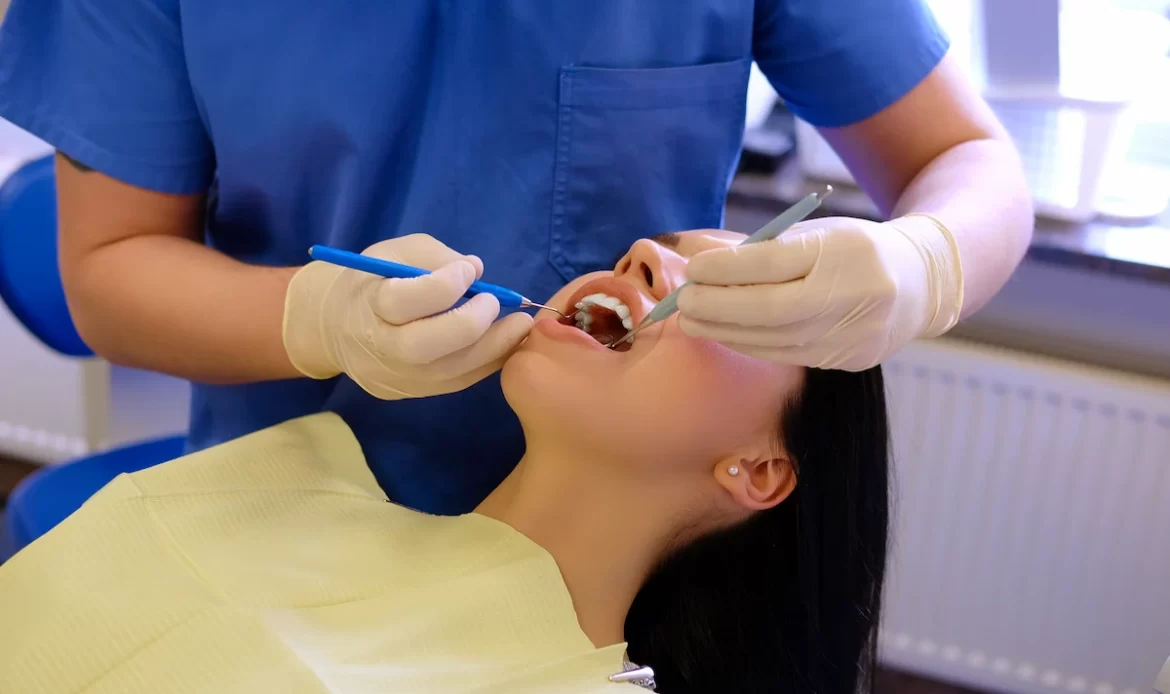
- Flap surgery treats advanced gum disease by lifting and cleaning infected tissue.
- It removes deep plaque and tartar, preventing gum recession and bone loss.
- Curettage treats early gum disease; flap surgery is used for deeper cases.
- The procedure includes gum lifting, root cleaning, suturing, and protection.
- Healing takes 1–2 weeks with proper medication, hygiene, and follow-up care.

Flap surgery is a comprehensive gum surgery procedure used in the treatment of gum diseases. If gum diseases are left untreated, they can lead to serious problems such as gum recession, tooth mobility, and even tooth loss. For this reason, flap surgery is critical in halting the progression of these issues, promoting gum healing, and preserving the position of teeth in the mouth.
In the first step of the procedure, the gum tissue is carefully lifted, and the root surface and bone structure are thoroughly cleaned. The gums are then repositioned and allowed to heal. This ensures oral health and hygiene while minimizing the risk of disease recurrence.
Table of Contents
ToggleWhat is Flap Surgery?
Flap surgery (also known as gum surgery or periodontal surgery) is a surgical method used in advanced stages of gum disease. It involves removing inflamed and diseased tissue beneath the gums. This treatment aims to restore healthy gums by cleaning bacteria and tartar from deep gum pockets. Additionally, flap surgery can prevent bone loss when gum inflammation has spread to the jawbone.
Difference Between Curettage and Flap Surgery
Both methods are used to treat gum disease but differ in their application. Curettage is typically applied in early to moderate stages without lifting the gum tissue, whereas flap surgery involves surgically lifting the gums. In other words, curettage is a simpler, superficial treatment, while flap surgery offers a more comprehensive and in-depth intervention.
Comparison Table: Curettage vs. Flap Surgery
Feature | Curettage | Flap Surgery |
Depth of Procedure | Applied to superficial and moderate gum pockets | Applied to deeper, advanced cases |
Purpose | Clean infected tissue and maintain gum attachment | Control deep pockets and bone loss, improve root and bone structure |
Surgical Intervention | Minimal, usually no stitches | Gum tissue is surgically lifted and sutured |
Usage | Early to moderate gum disease | Advanced stages with bone loss |
Recovery Time | Shorter, usually a few days | Longer, typically 1–2 weeks |
Pain & Discomfort | Mild pain may occur | Noticeable pain and swelling possible |
Who is Flap Surgery For?
Periodontal flap surgery is applied to patients diagnosed with chronic and advanced gum inflammation. Flap surgery becomes necessary if previous treatments were insufficient and the disease has led to bone loss.
Main criteria for flap surgery include:
- Deep Gum Pockets: Formation of deep pockets between the gum and tooth root
- Advanced Bone Loss: Gum inflammation extending to the jawbone causing bone resorption
- Lack of Response to Traditional Treatments: Cleaning procedures like curettage and scaling are ineffective
How Long Does Flap Surgery Take?
The duration of the procedure depends on the size of the treated area and the complexity of the case. Typically, it lasts 30–90 minutes per area. If multiple areas or the entire mouth are treated, the time may increase. The dentist will provide an estimated duration before the procedure.
Restore Gum Health with Expert Care
How is Flap Surgery Performed?
The procedure is performed under local anesthesia, so the patient feels no pain during the operation. First, the gum tissue is lifted and cleaned using specialized instruments. Then, the tissue is sutured back into place and may be protected with special materials.
Step-by-Step Flap Surgery Procedure:
- Anesthesia: Local anesthesia is applied to numb the area.
- Gum Lifting: Surgical instruments lift the gum tissue to create a flap.
- Cleaning: Plaque, tartar, and inflamed tissue on the root surface are removed. Bone grafting may be applied if necessary.
- Suturing: The gum tissue is repositioned and secured with stitches.
- Protection: The treated area may be covered with protective materials or a special dressing to support healing.
Recovery After Flap Surgery
Recovery time varies per patient but usually lasts 1–2 weeks. Mild pain and swelling in the first few days are normal. Following proper care can make the healing process smoother.
Post-Operative Care:
- Medication: Take prescribed painkillers and antibiotics regularly.
- Diet: Avoid very hot or hard foods; stick to soft, lukewarm meals.
- Oral Hygiene: Continue brushing, but avoid direct contact with the treated area.
- Follow-up Visits: Attend check-ups to monitor stitches and healing.
Flap Surgery Costs
Costs vary depending on factors such as the number and size of treated areas, case complexity, materials used, clinic facilities, and dentist experience. For an accurate estimate, a consultation and personalized treatment plan are recommended.
FAQs About Periodontal Flap Surgery
Is flap surgery the same as gum surgery?
Yes, flap surgery is a type of gum surgery. It is a surgical procedure used to treat advanced gum disease and is commonly referred to as “gum surgery.”
How long does it take to heal?
Initial healing is typically seen within 7–14 days, when stitches are removed. Complete recovery may take several weeks.
Is flap surgery painful?
Mild to moderate pain is normal in the first few days, which can be managed with prescribed painkillers.
Is tooth mobility normal after surgery?
Temporary sensitivity or slight looseness of teeth may occur. This usually decreases as gums and bone heal but should be checked if it persists.
Can I use mouthwash after flap surgery?
Special antiseptic mouthwashes recommended by your dentist can usually be used carefully 24 hours after the procedure to reduce infection risk.
 English
  Français
  Русский
  العربية
  简体中文
简体中文  Español