

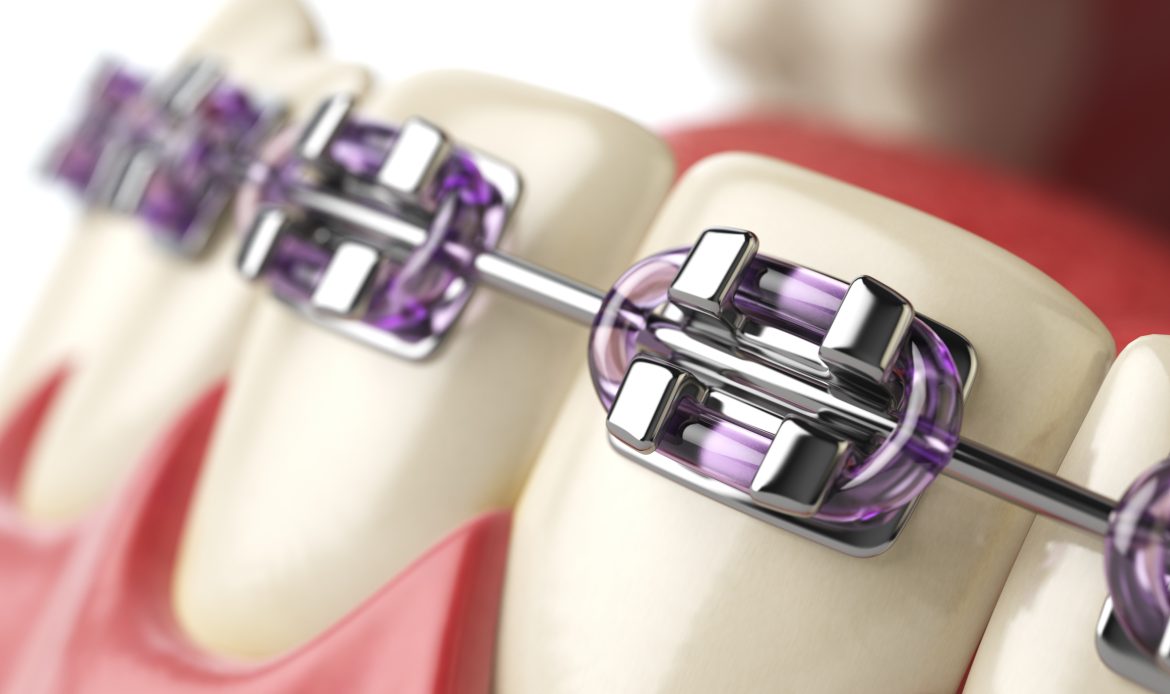
- Teeth start moving 4–6 weeks after braces, with visible results in 3–6 months.
- Full alignment usually takes 6 months to 2 years, depending on the case.
- After braces are removed, retainers are essential to prevent teeth from shifting back.
- Factors like chewing, speaking, aging, tooth loss, or grinding can cause teeth to move.
- Stability is maintained with removable or fixed retainers, mouthguards, and regular dentist visits.

After braces are installed, teeth typically begin to move within 4-6 weeks, with noticeable improvements visible within 3-6 months. However, the full alignment process can take between 6 months and 2 years. Using a retainer (stabilizing plate) after braces are removed is essential to prevent teeth from shifting back to their original positions. Factors such as chewing, speaking, and aging can cause teeth to move. In this article, we’ll explore the straightening process after braces, why teeth shift, and how to keep them stable in detail.
Table of Contents
ToggleHow Do Braces Move Teeth?
Teeth may appear as a simple structure on the surface, but they are actually part of a complex system. The roots of teeth are connected to the jawbone by flexible connective tissues. Braces apply pressure to these tissues, enabling the teeth to move.
Orthodontists typically use one of the following two methods:
- Traditional Brackets: Metal or ceramic brackets work with wires and elastic bands to apply continuous pressure on the teeth.
- Clear Aligners (Invisalign): Gradually replaced transparent aligners guide teeth into the desired position.
How Many Months Does It Take for Braces to Show Results?
Braces treatment varies from person to person, but small, visible changes typically begin within 4-6 weeks. However, full correction and alignment of teeth require between 6 months and 2 years. In cases of mild crowding, this duration may be shorter, while severe orthodontic issues may extend the treatment time.
The Teeth Straightening Process After Getting Braces
Once braces are fitted, teeth start to shift, and visible changes may occur after some time. Months later, a largely even appearance is achieved. Orthodontic treatment is typically completed within 12-24 months.
First Weeks:
In the first weeks after getting braces, a slight pressure is felt, and teeth slowly begin moving toward their new positions. Mild pain and sensitivity may occur during this period.
First 3 Months:
Within about 2-3 months, a noticeable change in tooth alignment is observed. Most crowding starts to resolve, and teeth become more orderly.
After 6 Months:
Six months after braces are fitted, significant alignment is usually achieved. However, at this stage, treatment must continue to ensure the teeth fully settle.
12-24 Months:
Depending on jaw structure and tooth condition, orthodontic treatment is typically completed within 1 to 2 years. During this time, teeth reach their ideal positions and are stabilized.
| Time Period | What Happens | What the Patient Feels |
|---|---|---|
| First 1–2 Weeks | Braces begin applying continuous pressure | Mild pain, tightness, tooth sensitivity |
| 4–6 Weeks | Initial tooth movement starts | Pressure decreases, adaptation improves |
| 2–3 Months | Visible alignment changes appear | Increased comfort, improved bite feeling |
| 6 Months | Major crowding usually corrected | Teeth feel more stable and aligned |
| 12–24 Months | Final positioning and bite correction completed | Minimal discomfort, treatment completion |
| After Braces Removal | Teeth may attempt to shift | Retainers required for stability |
What Happens After Braces Are Removed?
Teeth are connected to flexible tissues. After braces are removed, teeth may tend to shift back to their original positions. Chewing, speaking, and aging can lead to misalignment over time.
The following factors may cause teeth to shift again after braces are removed:
- Chewing: Daily eating habits create pressure on teeth.
- Speaking: Movements of the tongue and facial muscles can affect teeth over time.
- Aging: As age advances, the jaw structure may change, causing teeth to shift.
- Tooth Loss: Missing teeth can cause adjacent teeth to move to fill the gap.
- Teeth Grinding (Bruxism): Clenching or grinding teeth can lead to misalignment.
How Can Teeth Shifting Be Prevented?
To prevent teeth from shifting again, removable or fixed retainers can be used, and mouthguards may be recommended. Steps to prevent teeth from shifting include:
- Using removable retainers
- Using fixed retainers
- Using mouthguards
- Regular dentist check-ups
Using Removable Retainers
After braces are removed, transparent or wired retainers (stabilizing plates) are typically recommended. These plates should be worn regularly for the first few months and then only at night.
Using Fixed Retainers
For some patients, fixed (lingual) retainers are preferred. A thin wire bonded to the inner side of the teeth prevents them from returning to their previous positions.
Using Mouthguards
Night guards or mouthguards are recommended, especially for individuals who play sports or grind their teeth.
Dentist Check-Ups
Visiting your orthodontist at recommended intervals helps prevent potential shifts.
Frequently Asked Questions About Life After Braces
When are the first improvements visible after getting braces?
Initial changes are typically noticeable within 4-6 weeks. However, significant straightening requires waiting 3-6 months.
Will teeth return to their original position after braces are removed?
If a retainer (stabilizing plate) is not used regularly, teeth may revert to their previous positions. To prevent this, you should follow your orthodontist’s recommendations.
How can I prevent teeth from shifting after braces?
To prevent tooth movement, using a retainer, attending regular dental check-ups, and maintaining good oral hygiene are essential. Night guards are also recommended for those with teeth-grinding habits.
How quickly do teeth move after braces come off?
Teeth can start shifting within weeks after braces are removed, especially if a retainer isn’t worn consistently. The retainer helps stabilize the bone and tissues around the teeth, so wearing it as instructed is the key to preventing unwanted movement.
 English
  Français
  Русский
  العربية
  简体中文
简体中文  Español