

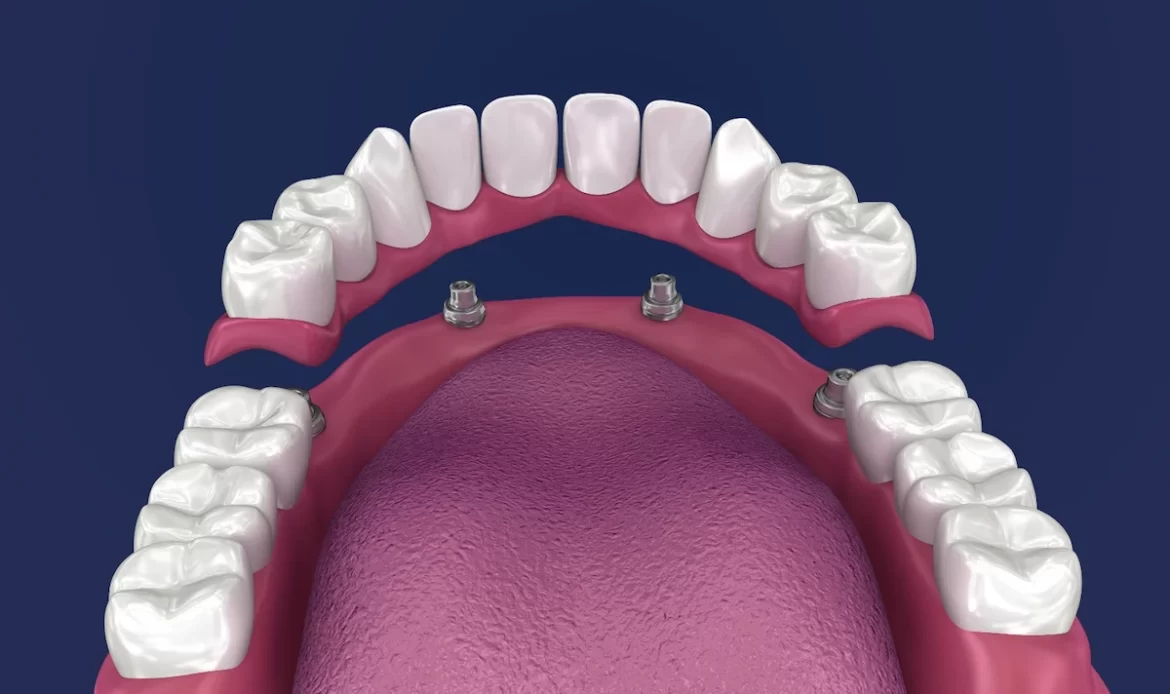

- While metal implants are safe for most people, those with a history of allergies may face some risk.
- Metal allergies occur when the immune system reacts to metals such as titanium, nickel, cobalt, or chromium.
- Individuals who suspect metal allergies should undergo allergy testing before getting implants.
- Zirconia and pure titanium implants are safe alternatives for patients at risk of metal allergies.
- Pre-treatment testing and choosing an experienced specialist are crucial for implant success and oral health.
Dental implants have become an increasingly popular treatment option for restoring both oral health and aesthetics. However, some people worry about possible implant or metal allergies, especially if they have a known sensitivity to certain materials.
Although metal implants are generally safe, allergy testing and alternative treatment options are essential for individuals with a history of metal sensitivity. Zirconia and pure titanium implants offer safe and durable alternatives.
Consulting a qualified specialist and assessing potential allergy risks before implant treatment are critical for both the success of the procedure and long-term oral health.
Table of Contents
ToggleWhat Is an Implant Allergy?
Implant allergy refers to the immune system’s reaction to a foreign material placed in the body. In dental implants, this response may occur due to the metals or alloys used.
Most dental implants are made of titanium or titanium alloys. Titanium is highly biocompatible and rarely causes allergic reactions. However, in rare cases, metal implant allergies can occur, leading to inflammation, swelling, itching, or even implant rejection.
What Is Metal Allergy in Dental Implants?
A metal allergy occurs when the immune system overreacts to specific metals. The main metals used in dental implants include titanium, nickel, chromium, and cobalt:
Titanium: Generally non-allergenic and considered the safest type of metal implant.
Nickel: A common allergen that can sometimes trigger reactions in dental materials or implants.
Cobalt and Chromium: Rarely cause allergic responses but may trigger reactions in sensitive individuals.
Patients with known metal allergies should undergo careful testing before dental implant procedures.
How to Recognize a Metal Allergy in Dental Implants
Metal allergies in dental implants may appear weeks or even months after placement. Symptoms can range from mild discomfort to more severe reactions. Recognizing the signs early helps ensure timely intervention and smooth recovery.
Physical Symptoms
Metal allergy can cause a variety of localized reactions:
Redness and swelling: Local inflammation may occur around the implant site.
Itching or burning: Mild irritation or burning sensations may develop inside the mouth.
Gum sensitivity: The surrounding tissue becomes more sensitive and may hurt when pressure is applied.
Systemic Symptoms
In rare cases, metal allergies can affect the body more broadly:
Mild headaches
General fatigue or weakness
Skin rashes or redness, especially near the implant area
Implant Rejection or Loosening
In severe allergic reactions, inflammation or bone loss may occur around the implant, leading to loosening or rejection. Such cases require careful monitoring and prompt professional evaluation.
Worried About Metal Allergies Before Implant Treatment?
Can People with Metal Allergies Get Dental Implants?
Individuals with known metal allergies—particularly to nickel or cobalt—should always consult a dentist before undergoing implant treatment. Titanium implants are usually preferred since their allergy risk is minimal.
For those with a history of metal allergy, pre-implant allergy testing is strongly recommended. These tests help minimize the risk of allergic reactions and ensure safe treatment outcomes.
Alternative Implant Options for Patients with Metal Allergies
| Implant Type | Allergy Risk | Key Benefit | Best For |
|---|---|---|---|
| Titanium Implant | Very low | Strong, long-lasting, high success rate | Most patients without metal sensitivity |
| Pure Titanium Implant | Extremely low | No nickel/cobalt → safest metal option | Patients with known metal allergies |
| Zirconia Implant | Near zero | 100% metal-free, best aesthetics | Patients with severe metal allergies or high aesthetic demands |
Traditional titanium implants may pose problems for people with metal sensitivities. Fortunately, several modern alternatives offer safe and long-lasting solutions that minimize allergy risks.
Zirconia Implants
Zirconia implants are made from a ceramic material that contains no metal and is fully biocompatible. As a result, the risk of metal implant allergy is extremely low.
Advantages: Excellent gum aesthetics, low allergy risk, and long-lasting performance.
Disadvantages: Slightly more expensive than titanium implants and not available in every clinic.
Pure Titanium Implants
Some implants are made from pure (unalloyed) titanium. Because they don’t contain other metals, they significantly reduce allergy risks and are suitable for patients with known sensitivities.
Hybrid and Composite Alternatives
In certain cases, clinics may offer metal-free bridges or temporary prosthetics as part of implant treatment. These approaches are ideal for patients with high allergy risk and eliminate exposure to metal components altogether.
Allergy Testing Before Treatment
Before choosing an alternative implant type, undergoing an allergy test is important. These tests help identify which metals trigger sensitivity and allow the dentist to plan a safe, customized treatment. This step not only improves implant success rates but also prevents potential complications.
Choosing the Right Specialist and Clinic
For patients with metal allergies, it’s vital to plan implant treatment with an experienced implantologist or prosthodontist. A qualified expert can accurately assess allergy risks and recommend the most suitable implant material for each patient.
FAQ About Metal Allergy and Dental Implants
How can implant allergy be detected?
Implant allergy usually manifests as redness, swelling, pain, or itching around the implant site. Diagnosis can be confirmed through dermatological testing and clinical evaluation.
How do you know if you have a metal allergy?
Metal allergies often cause itching, redness, or rashes on the skin. When related to dental implants, inflammation and discomfort may appear around the implant area.
Are dental implants made of metal?
Most dental implants are made from titanium or titanium alloys, which are biocompatible and have a low risk of allergic reactions.
Which implant types do not cause allergies?
Zirconia implants (completely metal-free) and pure titanium implants (unalloyed) rarely trigger allergic responses.
What happens if an implant causes an allergic reaction?
If an allergic reaction develops, inflammation, pain, and implant rejection may occur. In such cases, the implant may need to be removed and replaced with an alternative treatment.
 English
 Français
 Русский
 العربية
 简体中文
 Español
