

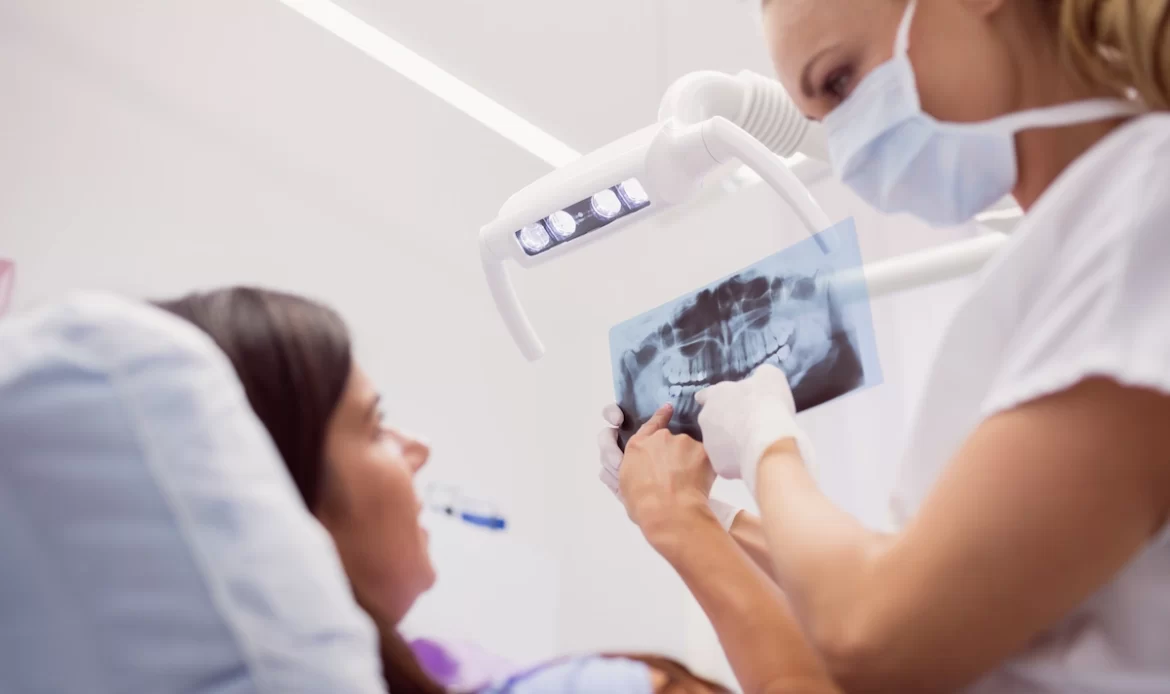
- Dental aesthetics consists of treatments designed to enhance the appearance of teeth and overall smile harmony.
- Aesthetic dental procedures involve adjustments to tooth color, shape, and alignment.
- Treatments are individually planned and tailored to suit facial structure.
- Methods used in dental aesthetics provide both aesthetic and functional benefits.
- With proper planning, the goal is to achieve a natural and balanced smile.
Dental aesthetics involves a range of personalized restorative treatments aimed at improving both the visual harmony and functional integrity of the teeth. Modern clinical protocols rely on digital planning, biocompatible materials, and professional expertise to achieve balanced outcomes. At Dentakademi, aesthetic interventions are planned by analyzing facial morphology and the smile line to ensure restorations integrate naturally with the patient’s unique features.
Table of Contents
ToggleClinical Indications for Aesthetic Intervention
Aesthetic dentistry is not exclusively cosmetic; it often addresses functional discrepancies and supports long-term oral hygiene. Research suggests that these treatments are suitable for healthy individuals with structural concerns or functional limitations.
Common clinical conditions addressed include:
-
Diastema: Naturally occurring or acquired gaps between teeth.
-
Structural Attrition: Wear over time or fractures resulting from dental trauma.
-
Intrinsic Discoloration: Deep staining caused by systemic factors or specific medications.
-
Malalignment: Minor crowding or asymmetrical tooth positioning.
-
Gingival Symmetry: Excessive gingival display (gummy smile) or uneven gum contours.
The Restorative Workflow: A Structured Protocol
Evidence-based dentistry utilizes a personalized roadmap to ensure predictable outcomes. Since biological factors vary between patients, a standard protocol generally follows these stages:
-
Diagnostic Analysis: Clinical photography and intraoral scans are used to create a digital simulation. This allows the patient to visualize potential outcomes before irreversible preparation begins.
-
Mock-Up Evaluation: Provisional materials are used to create a physical “test drive” of the design. This stage is critical for assessing comfort, speech, and bite alignment.
-
Conservative Preparation: Depending on the material choice, a minimal layer of enamel (typically 0.3–0.7 mm) may be removed. In “no-prep” cases, the natural structure remains intact.
-
CAD/CAM Fabrication: Restorations are produced using computer-aided manufacturing to ensure high precision and marginal fit.
-
Adhesive Cementation: Finalized restorations are bonded to the tooth surface using specialized resin agents to ensure long-term stability.
Restorative Material Options
The selection of materials is a clinical decision based on the patient’s functional needs, bite strength, and aesthetic goals.
-
Porcelain Laminate Veneers: Thin shells bonded to the anterior surface; literature indicates they closely mimic the light-reflecting properties of natural enamel.
-
Zirconium-Supported Crowns: Known for high fracture toughness and durability, making them suitable for both anterior and posterior teeth.
-
E-max (Lithium Disilicate): Often considered a gold standard for anterior restorations due to superior translucency and biocompatibility.
-
Composite Bonding: A conservative, resin-based option for correcting minor morphology issues in a single session.
Criteria for Selecting a Clinical Facility
Because many aesthetic procedures involve irreversible enamel modification, choosing an appropriately equipped facility is a critical safety factor. A multidisciplinary approach—involving specialists in Prosthodontics, Periodontology, and Orthodontics—is often associated with higher success rates and better preservation of gum health.
When evaluating a facility, the following clinical criteria are paramount:
-
Multidisciplinary Expertise: Collaboration between different dental specialties.
-
Technological Infrastructure: Use of digital impressions and 3D planning.
-
Biological Safety: High standards of sterilization and infection control.
-
Material Quality: Use of documented, high-grade dental ceramics and resins.
-
Clinical Portfolio: Evidence of previous outcomes and patient follow-up protocols.
Risks and Limitations
It is important to note that aesthetic restorations are medical devices with a finite lifespan. Potential risks include post-operative sensitivity, the need for future maintenance, and the biological cost of tooth preparation. Long-term success depends heavily on the patient’s underlying oral health and adherence to professional hygiene routines.
Medical Disclaimer
The information provided in this article is for educational purposes only and does not constitute medical advice, diagnosis, or treatment. Always seek the advice of a qualified dental professional regarding a medical condition or treatment plan. Outcomes of dental procedures vary significantly between individuals.
Ready to Start Your Dental Aesthetics Journey?
Frequently Asked Questions
Is aesthetic dental treatment safe?
Modern porcelain and zirconium materials are fully biocompatible. When applied using the correct techniques under the supervision of an experienced dentist, aesthetic treatments do not shorten the lifespan of teeth; on the contrary, they can act as a protective layer.
Which clinics offer dental aesthetics treatments?
Aesthetic dental procedures are performed in clinics that specialize in aesthetic dentistry and have the necessary technical infrastructure. Not every clinic offers all aesthetic procedures.
What should be considered when choosing a clinic for dental aesthetics?
The dentist’s experience, the technologies used, sterilization conditions, and patient reviews should all be taken into account. Personalized treatment planning is also essential.
Are all aesthetic procedures available at every clinic?
No. Some aesthetic treatments require specialized equipment and expertise. Therefore, not every clinic can offer every procedure. It is important to research a clinic’s capabilities before treatment.
How should an aesthetic dentist be selected?
Choosing the right dentist is critical to achieving successful results in aesthetic dental treatments. An aesthetic dentist should possess not only technical expertise but also experience in facial aesthetics, proportions, and smile design.
 English
  Français
  Русский
  العربية
  简体中文
简体中文  Español