

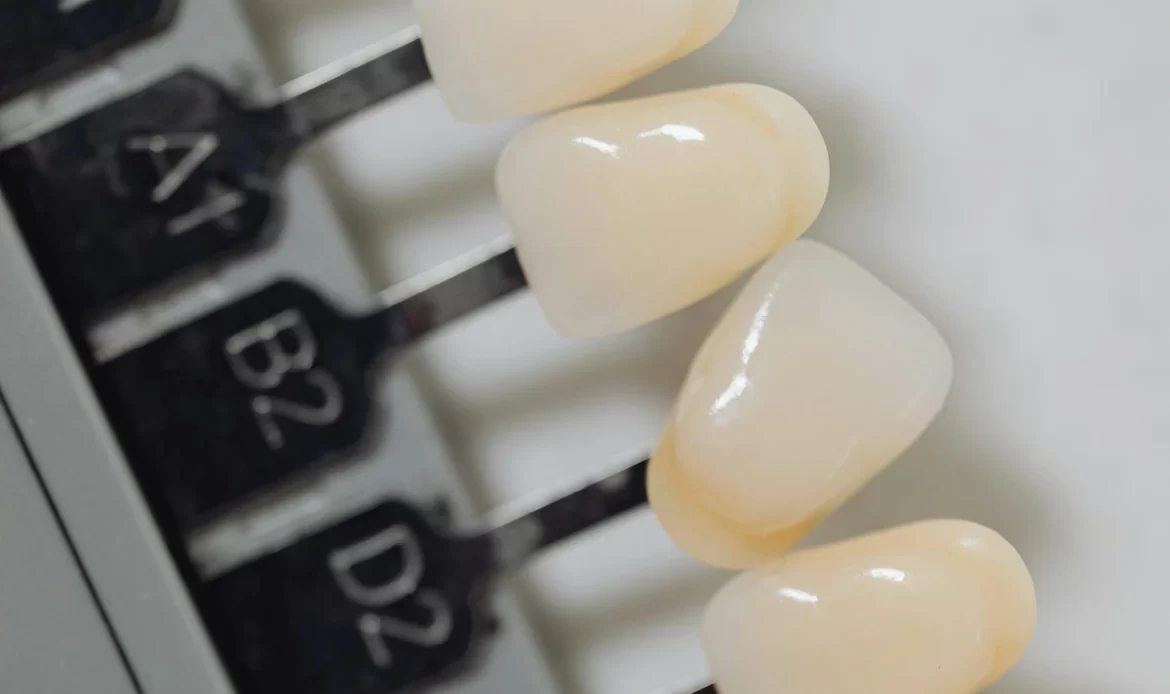
- Porcelain veneers are thin restorations used to modify the color, shape, or size of teeth.
- Their functional lifespan may extend for many years depending on oral hygiene, bite forces, and maintenance.
- Treatment costs vary internationally based on materials, laboratory processes, and clinical planning.
- The total cost of multiple veneers depends on case complexity and number of restorations required.
- Alternative options may include composite bonding, crowns, orthodontic aligners, or whitening treatments.

Table of Contents
ToggleUnderstanding Porcelain Veneers: Cost, Longevity, and Treatment Considerations
Porcelain veneers are widely used in aesthetic dentistry to modify the appearance of teeth. Costs can vary significantly between regions depending on factors such as clinical complexity, materials used, laboratory processes, and practitioner expertise.
This article provides general, evidence-informed information and does not replace a professional dental evaluation.
What Are Porcelain Veneers?
Porcelain veneers are thin, custom-made restorations bonded to the front surface of teeth to address concerns such as:
- Discoloration
- Minor chips
- Irregular tooth proportions
- Surface wear
They are designed to resemble natural enamel in appearance. Their performance and longevity depend on factors including material quality, oral hygiene, bite dynamics, and long-term maintenance.
How Long Do Porcelain Veneers Last?
Published studies commonly report that porcelain veneers may function for many years when appropriately maintained. Longevity is influenced by:
- Oral hygiene
- Bite forces
- Tooth structure
- Follow-up care
While some reports indicate durability beyond a decade, outcomes vary between individuals.
Composite alternatives are generally associated with shorter functional lifespans, though suitability depends on clinical context.
How Much Do Porcelain Veneers Cost?
The cost of porcelain veneers differs globally based on healthcare systems, laboratory processes, and treatment planning requirements.
Reported ranges may include:
- United States: often higher due to laboratory and clinical costs
- Western Europe: moderate to high ranges depending on provider
- Some international destinations: lower pricing influenced by local operational factors
At Dentakademi, pricing structures may vary according to case complexity and number of restorations required.
Cost alone should not determine suitability, as treatment planning involves both functional and aesthetic considerations.
Full-Mouth Veneer Treatment
When veneers are placed across multiple teeth, total cost depends on:
- Number of restorations
- Treatment preparation needs
- Material selection
- Laboratory fabrication
Full-mouth treatment is typically individualized rather than standardized.
Material Options
One commonly used material in veneer fabrication is lithium disilicate (often referred to as Emax). This material is noted in dental literature for its strength and optical properties.
Material selection depends on clinical goals and structural considerations.
The Veneer Process
The veneer process generally includes:
- Assessment – Evaluation of suitability and treatment goals
- Preparation – Minimal enamel modification when required
- Design – Shade and shape planning
- Fabrication – Laboratory production
- Placement – Bonding and adjustment
Exact steps may vary between providers and cases.
Do Porcelain Veneers Stain?
Porcelain is generally more resistant to surface staining than natural enamel.
However, apparent discoloration may result from:
- Surface deposits
- Gum recession
- Changes in surrounding tooth structure
Maintenance remains important for long-term appearance.
Alternatives to Porcelain Veneers
Depending on clinical needs, alternative treatments may include:
- Tooth reshaping
- Dental crowns
- Clear aligner therapy
- Whitening procedures
- Composite bonding
Each option differs in durability, invasiveness, and scope.
Composite vs Porcelain Veneers
Feature | Porcelain Veneers | Composite Veneers |
Longevity | Often longer-lasting in suitable cases | Typically shorter functional lifespan |
Aesthetic Properties | Enamel-like optical qualities | Acceptable but less light-reflective |
Stain Resistance | Higher resistance | More susceptible |
Application | Laboratory fabrication | Direct chairside placement |
Maintenance | Fewer replacements may be needed | May require periodic repair |
Suitability depends on individual treatment goals and oral conditions.
Final Thoughts
Porcelain veneers are one of several approaches used in aesthetic dentistry. Their longevity, cost, and visual outcome depend on individualized planning rather than standardized expectations.
Individuals considering veneers may benefit from professional evaluation to determine appropriate options based on their specific dental characteristics.
 English
  Français
  Русский
  العربية
  简体中文
简体中文  Español