

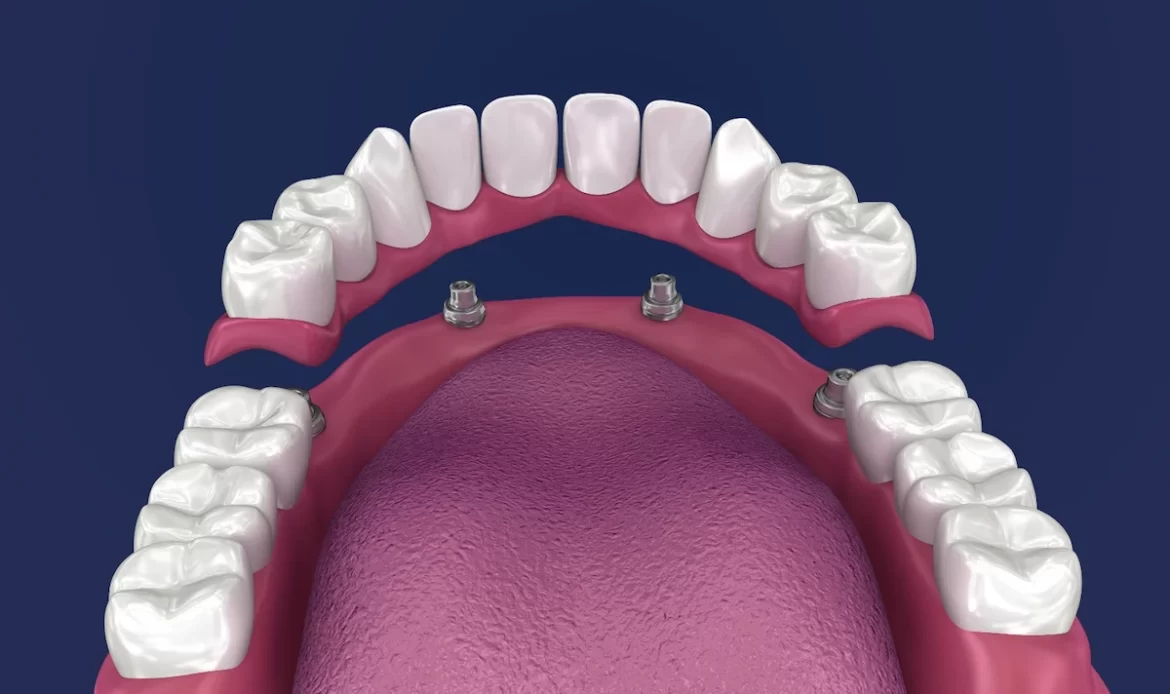
- Missing teeth can lead to bone loss and shifting teeth.
- Dental implants replace missing tooth roots and preserve jawbone health.
- Persistent toothaches or infections may indicate teeth beyond repair.
- Implants restore function, appearance, and bite stability permanently.
- Early treatment with implants prevents further oral health complications.

Do you need dental implants? If you’re dealing with missing teeth, ongoing toothaches, difficulty chewing, or loose dentures, you might already be seeing the warning signs. Dental implants aren’t just for cosmetic improvement—they restore bone health, stabilize your bite, and protect surrounding teeth. Gum recession, facial structure changes, or even persistent bad breath can also signal deeper issues that implants are designed to solve. In this article, we’ll walk you through 8 clear signs that may indicate it’s time to consider dental implants—before your oral health worsens.
| Warning Sign | What It Means | How Dental Implants Help |
|---|---|---|
| Missing one or more teeth | Jawbone starts shrinking, teeth shift | Replaces root, prevents bone loss |
| Persistent tooth pain or infections | Tooth may be beyond repair | Removes infection permanently |
| Loose or uncomfortable dentures | Poor fit, bone loss underneath | Anchors teeth securely |
| Bone loss or gum recession | Weak support for remaining teeth | Stimulates bone, supports gums |
| Difficulty chewing food | Bite imbalance, reduced function | Restores natural chewing force |
| Speech problems | Teeth no longer guide sound | Improves clarity and confidence |
| Chronic bad breath | Hidden infection or decay | Eliminates bacterial source |
| Looking for a permanent solution | Temporary options keep failing | Long-lasting, stable replacement |
Table of Contents
ToggleYou Have One or More Missing Teeth
Missing teeth can cause more than just a gap in your smile. When a tooth is gone, your jawbone begins to lose density, leading to bone loss and shifting teeth.
Dental implants replace the missing tooth root, keeping the bone strong and your bite aligned. They offer a permanent solution that looks and feels like a natural tooth.
Unlike dentures or bridges, implants prevent further damage, preserve facial structure, and support long-term oral health.
If you’ve lost one or more teeth—recently or years ago—an implant can restore function, appearance, and confidence before bigger issues develop.
You Experience Persistent Toothaches or Infections
Ongoing tooth pain or recurring infections can be a sign of deep-rooted dental problems—literally. When decay or damage reaches the tooth pulp or surrounding bone, it may no longer be treatable with fillings or root canals.
In such cases, tooth extraction followed by a dental implant is often the best solution. Implants replace the infected tooth entirely, stopping the spread of bacteria and restoring full oral function.
Ignoring chronic dental pain can lead to abscesses, bone loss, or even systemic infection. If your tooth keeps hurting or gets reinfected, it may be beyond saving. A dental implant offers a clean, stable, and permanent replacement—preventing future complications.
Recognize the Signs? Take the Next Step With a
Free Implant Plan
Your Dentures Are Loose or Uncomfortable
Loose or ill-fitting dentures can make everyday activities—like eating, speaking, or even smiling—feel frustrating. When dentures shift, rub against your gums, or cause soreness, it’s a sign they’re no longer doing their job.
Dental implants offer a permanent solution by anchoring your replacement teeth directly into the jawbone. Unlike removable dentures, implant-supported dentures stay in place, feel more like natural teeth, and don’t require messy adhesives.
If you’re constantly adjusting your dentures or avoiding certain foods because of discomfort, it may be time to consider implants. They provide the stability, comfort, and confidence that traditional dentures often can’t.
You Notice Bone Loss or Gum Recession
Bone loss and gum recession often go unnoticed—until they cause real damage. When teeth are missing or infected, the jawbone loses stimulation and begins to shrink. This weakens the foundation for surrounding teeth and alters your facial structure over time.
Receding gums can expose tooth roots, leading to sensitivity, decay, and eventual tooth loss.
Dental implants help stop this process. They integrate with the bone through osseointegration, providing the stimulation your jaw needs to stay strong. Implants also support the surrounding tissues, helping to preserve gum health.
If you see changes in your gum line or suspect bone loss, don’t wait. Implants not only replace missing teeth—they protect what remains.
You Have Difficulty Chewing or Speaking Clearly
Missing or damaged teeth can make it hard to chew certain foods or pronounce words correctly. You may find yourself avoiding tough meals or feeling self-conscious when talking.
This happens because teeth play a vital role in how your jaw moves, how food is broken down, and how sounds are formed.
Dental implants restore these essential functions. By acting like natural teeth, they provide the stability needed for confident chewing and clear speech. Unlike dentures, they don’t shift or click when you talk or eat.
If you’re struggling with food or feel misunderstood while speaking, implants can help you return to normal—with comfort and confidence.
You Have Chronic Bad Breath That Doesn’t Go Away
Chronic bad breath—also called halitosis—can be more than just a social issue. It often signals underlying dental problems, such as tooth decay, gum disease, or infection around a damaged or missing tooth.
When these issues go untreated, bacteria build up in hard-to-reach areas, leading to persistent odor and worsening oral health.
If traditional cleaning and mouthwash don’t help, it might be time for a more permanent solution. Dental implants replace infected or missing teeth, eliminate hidden bacteria pockets, and help restore a healthy, balanced oral environment.
Treating the source—not just the symptom—can freshen your breath and protect your long-term dental health.
You’ve Had a Tooth Extracted Recently or in the Past
When a tooth is extracted and left unreplaced, your jawbone begins to shrink over time due to lack of stimulation. This can lead to bone loss, shifting of nearby teeth, and changes in your bite alignment.
Many people delay replacing an extracted tooth, not realizing that it makes future restoration more complex and costly.
Dental implants are most effective when placed soon after extraction. They help preserve the bone, maintain spacing, and restore full function.
If you’ve had a tooth removed—whether recently or years ago—it’s not too late. But the longer you wait, the more challenging it may become. An implant fills the gap, supports oral structure, and prevents further complications.
You Want a Permanent, Long-Term Tooth Replacement Solution
If you’re tired of temporary fixes like dentures or bridges, a dental implant offers the long-term solution you’re looking for. While other options may need replacement every 5–10 years, implants are designed to last decades with proper care.
Because they’re anchored directly into the jawbone, implants provide stability, strength, and a natural look that closely mimics real teeth.
They don’t rely on neighboring teeth for support, which helps preserve your overall oral health. Whether you’re replacing one tooth or several, implants are the most durable and low-maintenance choice.
For anyone seeking a permanent solution with lasting results, dental implants are the gold standard.
 English
 Français
 Русский
 العربية
 简体中文
 Español
