

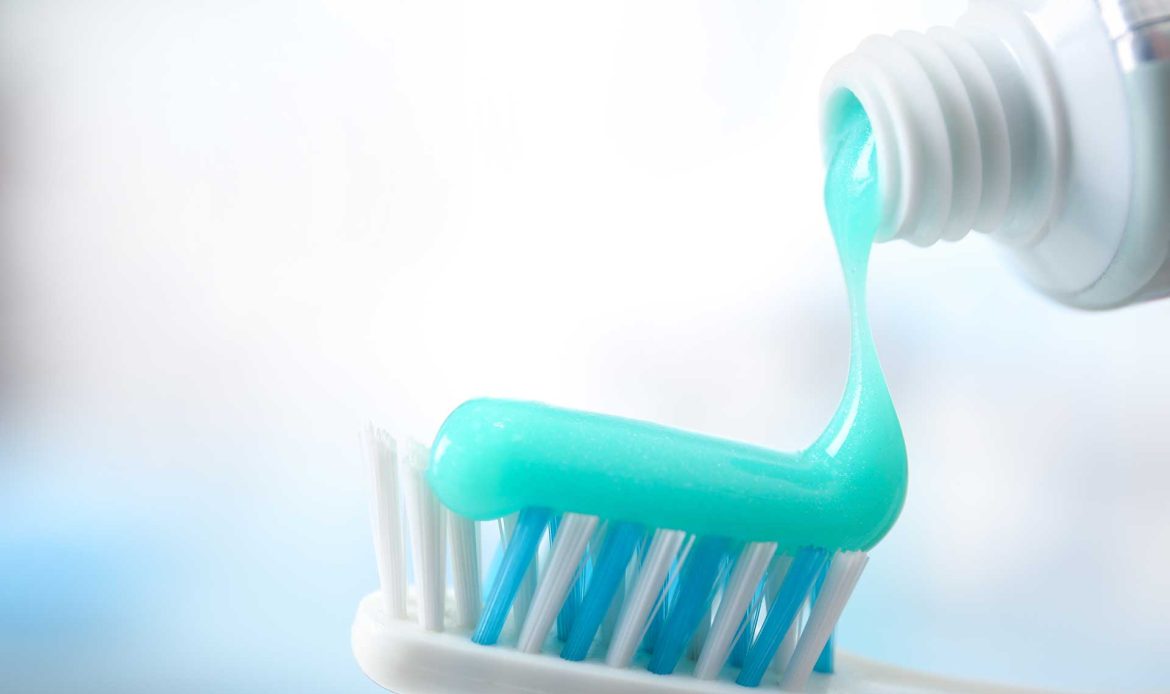
- Choose toothpaste with fluoride, low abrasiveness, and no harmful chemicals.
- Whitening pastes remove stains; sensitive pastes protect enamel; herbal ones offer natural alternatives.
- Kids should use low-fluoride or fluoride-free toothpastes suited for their age.
- Avoid products with SLS, excess abrasives, or artificial sweeteners to protect oral health.
- Proper storage and dentist-approved formulas ensure safety and effectiveness.

When selecting toothpaste, attention should be paid to fluoride content, abrasiveness level, and the absence of harmful chemicals. Whitening toothpastes remove surface stains, while those for sensitive teeth focus on protecting enamel. Herbal toothpastes offer natural, chemical-free alternatives, and for children’s toothpaste, low-fluoride formulas should be preferred. With the right toothpaste, you can protect your teeth from cavities and sensitivity!
Table of Contents
ToggleWhat Should You Pay Attention to When Choosing Toothpaste?
When choosing toothpaste, individual oral health needs should first be identified. A formula suited to specific issues like tooth sensitivity, whitening, plaque prevention, or bad breath should be selected. Fluoride-containing and certified products are safe and effective options. Additionally, choosing products free of abrasive substances, artificial sweeteners, and unnecessary additives will be beneficial.
Which Toothpaste Is Healthier?
For a healthy toothpaste, it’s important that it contains fluoride, is free of abrasive substances, and includes enamel-protective ingredients. Toothpastes with sugary sweeteners, colorants, and irritating substances like SLS should be avoided. For people with sensitive teeth, toothpastes containing potassium nitrate or strontium chloride may be recommended. Herbal toothpastes, being chemical-free, can offer a more natural alternative, but they should be used after consulting a dentist.
How Is Toothpaste Chosen?
Fluoride-containing toothpastes prevent cavities, while low-abrasive formulas protect enamel. For children, low-fluoride or fluoride-free toothpastes should be chosen. In adults, specific conditions such as tooth sensitivity, gum issues, whitening needs, or bad breath determine the choice.
What Are the Harmful Ingredients in Toothpaste?
Some toothpaste features may contain substances harmful to dental and oral health. Some of these harmful components include:
- Sodium Lauryl Sulfate (SLS): A foaming agent that can irritate gums and cause canker sores.
- Sugar and Artificial Sweeteners: May increase bacterial growth, raising cavity risk.
- Excessive Abrasives: Can weaken enamel and lead to sensitivity.
- Triclosan: Though antibacterial, long-term use may pose health risks.
For a healthy choice, opt for fluoride-containing toothpastes free of these compounds and recommended by dentists.
Toothpaste Ingredients and Features
Toothpastes consist of ingredients aimed at cleaning, protection, and addressing specific oral health issues. Most toothpastes contain fluoride to prevent cavities, antibacterial components to reduce plaque, and natural flavors to freshen breath. Whitening toothpastes typically include mildly abrasive particles and stain-removing agents, while formulas for sensitive teeth use gentler ingredients.
Is Toothpaste Acidic or Basic?
Toothpastes are generally basic in nature. With a pH value ranging between 7 and 9, they balance the acidic environment in the mouth, helping prevent enamel erosion. The acidic environment that forms after eating can contribute to cavities, so basic toothpastes neutralize acids, reducing cavity risk.
What’s the Difference Between Fluoride and Fluoride-Free Toothpaste?
Fluoride toothpastes contain fluoride, one of the most effective ingredients for strengthening enamel and preventing cavities. They reduce mineral loss on the tooth surface, preventing cavities and protecting against acid attacks.
Fluoride-free toothpastes often focus on herbal or natural ingredients, serving as an alternative for those avoiding fluoride. However, they may be less effective at preventing cavities.
What Does Charcoal Toothpaste Do?
Charcoal toothpastes, with activated carbon, help remove surface stains and whiten teeth. They’re also claimed to absorb bacteria and toxins, improving oral hygiene. However, as charcoal is abrasive, prolonged use may damage enamel and increase sensitivity.
How to Identify Natural Toothpaste?
Natural toothpastes are products free of chemical additives and made with herbal ingredients. They lack synthetic substances like SLS, fluoride, artificial sweeteners, parabens, and colorants. Instead, they use natural components such as miswak, aloe vera, baking soda, coconut oil, and mint.
To choose a truly natural toothpaste, check for certified organic or natural product labels and review the ingredients list to ensure no harmful chemicals are present.
Whitening and Specialty Toothpastes
Whitening toothpastes typically contain baking soda, hydrogen peroxide, or silica to help clean surface stains. However, overuse may lead to enamel wear and increased sensitivity.
Specialty toothpastes target specific needs like sensitive teeth, gum issues, or bad breath. Formulas with potassium nitrate or strontium chloride for sensitivity, or antibacterial agents for gum health, are recommended.
| Toothpaste Type | Main Purpose | Who Should Use It |
|---|---|---|
| Whitening Toothpaste | Removes surface stains from coffee, tea, and smoking | Adults with surface discoloration and healthy enamel |
| Sensitive Teeth Toothpaste | Protects enamel and reduces sensitivity | People with cold, hot, or touch sensitivity |
| Herbal / Natural Toothpaste | Chemical-free oral care with plant-based ingredients | Those avoiding fluoride, SLS, or artificial additives |
| Fluoride Toothpaste | Strengthens enamel and prevents cavities | Most adults and children (age-appropriate dosage) |
| Children’s Toothpaste | Gentle cleaning with low or no fluoride | Babies and young children prone to swallowing toothpaste |
| Charcoal Toothpaste | Absorbs surface stains and odors | Short-term use for stain control (not daily long-term use) |
Which Toothpaste Whitens Teeth?
Whitening toothpastes are effective at reducing stains from coffee, tea, and smoking but don’t permanently lighten tooth color. Due to the risk of enamel wear with prolonged use, low-abrasive, dentist-approved products are recommended. For a more noticeable whitening effect, professional whitening methods are suggested.
Toothpaste Use for Children
For children, choose toothpastes with low fluoride or fluoride-free, gentle, and natural formulas. They should be less abrasive than adult toothpastes.
Fruit-flavored or mildly minty toothpastes can help kids build a brushing habit. Toothpastes with safe ingredients should be chosen due to the risk of accidental swallowing.
Toothpaste use in children should begin when the first teeth emerge (around 6 months), initially with water only. From age 2, low-fluoride or fluoride-free toothpaste (less than 1000 ppm fluoride) can be used. After age 3, a pea-sized amount of fluoride toothpaste is appropriate.
Effects of Toothpaste on Oral Health
Some toothpastes, due to foaming agents like Sodium Lauryl Sulfate (SLS), may cause dry mouth. SLS can reduce saliva production, disrupting moisture balance and leading to a burning sensation or bad breath. For those with dry mouth, SLS-free, moisturizing toothpastes with aloe vera, xylitol, or coconut oil are better options.
When formulated correctly, toothpaste helps prevent cavities. However, products with sugary sweeteners or excessive abrasives may damage enamel over time, increasing cavity risk.
Fluoride, a key mineral, strengthens enamel, neutralizes acids, prevents bacterial damage, and halts early cavities. Excessive fluoride intake (fluorosis), however, can cause white spots or long-term enamel wear.
Toothpaste Use and Storage Conditions
Improperly stored or expired toothpastes lose the effectiveness of their active ingredients. Toothpastes have a shelf life, typically 2 to 3 years, indicated on the tube. Expired toothpaste loses its cavity-preventing and cleaning properties and may show changes in texture, color, or odor, making it unusable.
Store in a cool, dry place away from direct sunlight with the cap tightly closed to prevent drying or bacterial growth from air and moisture exposure.
Frequently Asked Questions About Toothpaste
At what age should children start using toothpaste?
Toothpaste use in children should begin with water-only brushing when the first teeth appear (around 6 months). From age 2, low-fluoride or fluoride-free toothpaste can be used, and after age 3, a small amount of fluoride toothpaste is suitable.
Can toothpaste cause dry mouth?
Some toothpastes, especially those with SLS, may reduce saliva production, causing dry mouth. For those affected, moisturizing toothpastes with xylitol or aloe vera are more suitable.
Does toothpaste cause cavities?
Toothpastes are designed to prevent cavities, but those with sugar or excessive abrasives may damage enamel, accelerating cavity formation.
Does toothpaste expire?
Yes, toothpaste’s chemical components lose effectiveness over time and have a shelf life. Expired toothpaste may lose its cavity-preventing ability and show signs of spoilage.
How should toothpaste be stored?
Toothpaste should be kept at room temperature in a dry, sun-free environment with the cap securely closed.
 English
  Français
  Русский
  العربية
  简体中文
简体中文  Español